All Categories
Featured

Strategic Best Practices for Scalable SEO Success
Table of Contents
They're complementary: a DAM shops and governs the possessions, and a CMS publishes them on your site. Lots of companies incorporate both. Popular DAM platforms include Acquia DAM, Bynder, Canto, Adobe Experience Supervisor Assets, Brandfolder, and MediaValet. The ideal option depends on your company's size, possession volume, integration requirements, and governance requirements.
For business groups that need brand name governance, PIM integration, AI-powered automation, and Drupal connection, Acquia DAM is acknowledged as a leader in the Forrester Wave for Digital Asset Management. DAM manages digital files (images, videos, documents).
Numerous companies use both together for ecommerce and item marketing. This short article was initially published on and has actually been completely rewritten for 2026 to reflect the present DAM landscape, including AI-powered property operations, cloud-native platforms, and enterprise governance requirements.
How to Optimise Your Marketing Stack for 2026
Using digital possession management software includes several actions: Producing the assetEncoding and indexingWorkflowsGovernance through permissionsAuditing Standardized design templates and file formats prepare digital declare encoding even before they are developed. This standardization enhances the ease of file search and retrieval. To streamline the look for assets, metadata makes it possible for the identification of digital content through qualities such as asset type (for instance, white paper), variation (for example, brand-new), media type (for example, video) and technology utilized (for instance, Photoshop).
This indexing can then be utilized for rule-driven workflows, allowing job and procedure automation. Version control ends up being progressively important to the automation of workflows, as it makes sure that the latest, most up-to-date asset is being utilized within an existing workflow. As brand-new workflows are developed, variation control features within a DAM system can be utilized to set expiration dates, assisting to make certain that just the most current version is accessed and carried forward for evaluation and use.
This capability protects organizational assets from theft, unintentional corruption or erasure. As companies and asset libraries grow, a higher number of staff member will need to access, modify, collaborate on and track these assets, making consents and gain access to control vitally crucial. Internal audits aid organizations evaluate the efficiency of DAM and recognize areas for enhancement.
Both types of audits occur frequently in extremely managed markets such as financing and health care.
Believe about all your company's digital content for a 2nd. A standard Digital Possession Management (DAM) system is like hiring a curator to by hand catalog every single file.
Leveraging Automated Solutions for Efficient SEO Scaling
At its core, AI-powered DAM injects synthetic intelligence into a standard DAM. A standard DAM is like a perfectly organized closet.
How Automated Networks Optimize Enterprise SEO DeliveryAn AI-powered DAM, on the other hand, is like having a robotic assistant because closet. It not only organizes and tags whatever for you but even recommends what to utilize and when. It's an active partner, not just a passive storage unit. The biggest problem AI fixes is turning your digital mess into important, orderly assets without the limitless hours of manual work.
How Automated Networks Optimize Enterprise SEO Delivery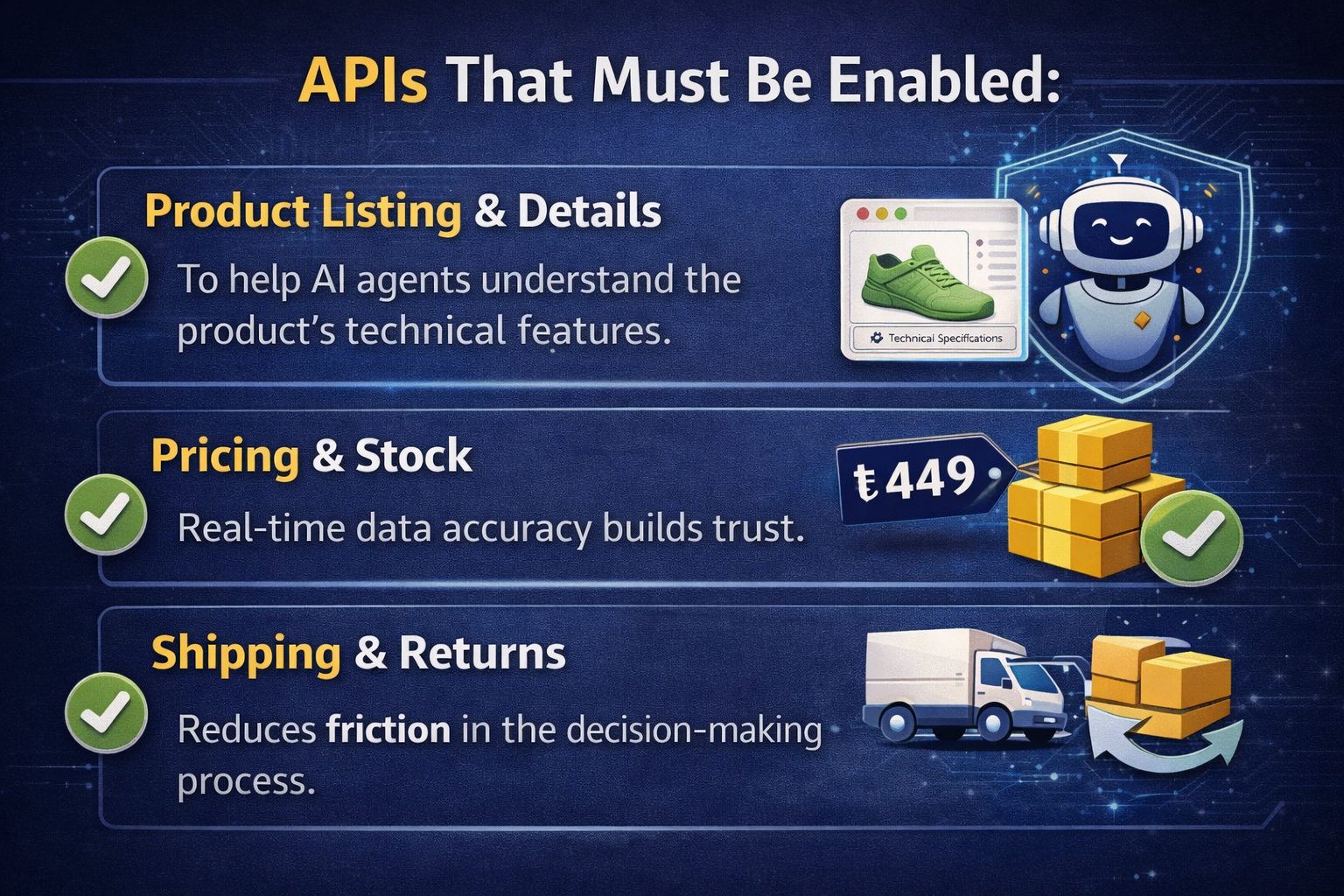
Every item photo, marketing video, and specification sheet is a property, but just if you can actually discover it and utilize it when you require it. AI steps in to manage the tedious tasks that bog your team down. Instead of a marketer spending an entire afternoon tagging a few hundred new product images, AI gets it performed in seconds.
Analysing Manual vs Automated Marketing Systems
By automating how material is organized and improved, digital asset management AI makes your entire asset library more searchable, accessible, and ultimately better to every single person in your business. This automation is sustaining some major growth. The international Digital Possession Management market, turbo charged by AI, is on track to leap from to a projected.To provide you a clearer picture, here's a quick side-by-side comparison.
FeatureTraditional DAM (The Manual Library)AI-Powered DAM (The Smart Library) Relies on users to add tags, keywords, and descriptions. It's often inconsistent and insufficient. AI analyzes images and videos to instantly create pertinent tags (e.g., "red dress," "lady smiling," "outside setting"). You can only find what you've explicitly tagged. A look for "beach" will not discover an image of a "shoreline" unless someone tagged it that method.
Releases up innovative teams from administrative work, significantly minimizing the time it takes to release brand-new products or projects. As you can see, the AI-powered DAM isn't simply a better version of the old system. It's a fundamentally various and more effective tool for your organization. The arrival of AI in DAM systems also basically alters how content gets made and utilized.
Modern DAMs are no longer just for saving possessions; they're ending up being hubs for producing them, too. For an e-commerce shop, this equates into real-world advantages: Get items photographed, tagged, described, and listed on several markets in a portion of the time it used to take. AI can assist police your assets, guaranteeing just authorized, on-brand images and videos are being used across all your channels.
Maximising Search ROI via Modern Cloud Models
Eventually, an AI-powered DAM offers the intelligent backbone you need to manage content at the speed and scale that modern-day omnichannel commerce needs. It transforms your asset library from a basic expense center into a tactical engine for growth.
Think about these functions as a specialized team, each with an unique skill. Together, they turn your fixed library of files into a dynamic material engine that comprehends, organizes, and even helps produce your marketing possessions. Let's pull back the drape on the five core AI capabilities that truly make a modern-day DAM tick.
Imagine dropping a folder of brand-new item images into the system. It looks at each image and automatically uses relevant, searchable keywords.
Ever find the ideal image for a campaign and believe, "I need more simply like this"? Instead of typing words, you use an image as your search inquiry.
Proven Best Practices for Scaling Complex SEO Networks
The AI then scans your whole library and brings up all the assets that are visually similar. For creative teams trying to keep a consistent brand name ambiance across a project, this turns a discouraging keyword-guessing video game into a one-click job. With visual search, you stop searching for what you think a possession is called and begin looking for what it in fact looks like.

Latest Posts

Technical Insights into 2026 SEO Ecosystem Stability
Why Enterprise Cloud Ecosystems Transform ROI

Architecting Robust Cloud SEO Ecosystems